To the Lights
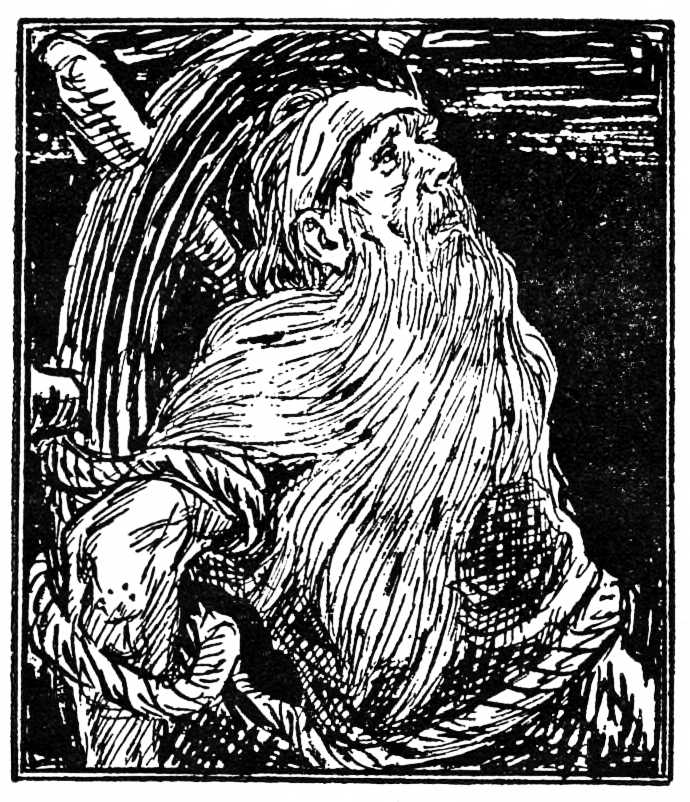
âAs chairman of one of the largest of the Billingsgate wholesale fish-dealing companies, I can assure your correspondent that the cause for the current high prices does not rest with the dealers. Your correspondent, who is evidently ignorant of basic facts, asserts that although it is the fishermen themselves who actually catch the fish, they—the fishermen—do not receive a commensurate share of the price which the people ultimately pay for a staple article of food. I must therefore correct him, and insist that they do.
âContrary to your correspondentâs mere surmise, I may say that the hardships of a trawlermanâs life are enormously exaggerated. It must be borne in mind that these men are brought up from childhood to regard their ships as their homes, that there they are most comfortable and in their element, that they are bountifully fed, that they are in a measure independent because all work without wage, but share on a well-adjusted proportion of the price which the fish command at auction (and I may add that our buyers on the spot are invariably and sometimes uncomfortably liberal in their bids), and that they do neither toil immoderately nor run any very serious risks.
âIt stands to reason that these men when in fear of storms can always run to shelter, and that they do. There is no serious hardship or stress in the lives of the trawlermen. If your correspondent were to suggest such a thing to a fisherman, he would be laughed at. No, they get much for little, and it is we men of business who, by the investment of capital and brains, fluctuations in price, etc., run all the risk.â
(Extract from a letter in the London Daily Market Scrutineer.)
Captain Joshua Fairley was pulling on the thick woolen stockings that would protect his ordinary socks and his trousers-legs from the harshness and oiliness of his great sea-boots. He sat on the edge of his bed in his cottage on Brixham hillside and stared out of the window thoughtfully at the sea whose surface was nearly two hundred feet below. He felt all of his seventy-five years, as if each had hammered him and battered him, and contemplated the hard truth that after a bitter venture that had failed, he was about to start life over again.
He pulled on his short âjack bootsâ absent-mindedly, and then disgusted with his own mistake, jerked them off, stood them in the corner and picked up and drew on the huge and hulking ones. He crossed one leg over the other and inspected a new half-sole and muttered: âOld Gamble be the best cobbler in Brixham yet! Still doing his work. And he beanât growlinâ at it, or at Providence, or anything else. When I went to get the boot, he was whistlinâ like one of them skylarks. So—Iâll whistle too.â
He puckered his lips beneath the white beard and mustache and tried, âAbide with Me,â which to his mind was second only to âRock of Ages,â and reached for his faded blue jersey and pulled it over his head, still bravely trying to be melodious and cheerful.
âFather, be anything the matter witfc âee?â a voice hailed him as he cleared his head and touseled white hair from the clinging embrace of the knitted folds.
He appreciated, then, that for many months he had not attempted to whistle a melody, and that the mere fact that he had made such attempt was proof to other ears that he was endeavoring to put a cheerful face upon some trying predicament.
âNot a thing in the world, lass,â he declared, turning to meet the troubled eyes of his widowed daughter.
âYouâre worrited,â she said, coming swiftly across to him and putting work-hardened hands on his broad, bent shoulders.
âNot too much,â he said, still making gallant pretense. âUs has still got the Iâll Try. Come here and look at her.â He pulled her over to the window set into the deep cob-walls built more than a hundred years before, and with a gnarled finger pointed through the leaded panes at the outer harbor below. âThere she be. Look at her. I was a fool, Nettie, an old fool! I tried to get rich by puttinâ in they petrol motors, and hanginâ screw astarn. I thought they newfangled boats were the thing; but—it cost so much to run âem they didnât pay. So us has sold they engines, and had âem hauled out, and—the Iâll Try be just the same as she was when I built her, livinâ by her sails and the winds of the Lord Almighty. Just as she was! No, not quite, because sheâs got a wheel instead of the big clumsy tiller, and—I was a fool. All I should have done to her was to put in a boiler and a steam winch to handle the trawl. That was a mistake. But—there her be, waitinâ for us, all our own, and mebbe herâll be glad to have they dirty engines out of her again. Everything considerinâ,â he announced, almost triumphantly, âus be doinâ right well. Us owns this house. Us owns the Iâll Try. Us donât owe a farthing, and us has more than nine and twenty pound in the bank to—â his voice halted, lowered a trifle, and then finished—âto start over again. Usâll use the wind, hereafter, and make money so that when I have to quit the sea, our two nippersâll have a fine start. A proper good start!â
She fathomed his anxieties as well as his brave dissimulation, and shook her head sadly, and stared up at him affectionately.
âListen, lass,â he said, knowing that his pretense had failed. âAfter all, naught matters but the harbor lights. I doanât mean they lights out there on Berry Head, and at the end of the breakwater, or the pier. I mean the lights that should shine for all of us when we come home from sea after all vâyages be done. Themâs the lights that count. The ones that finally brings us home. So—nothinâ else matters much to us, because us has done our best. Beanât it so? Youâm been a good darter to me! And us has got all this, and I be good for ten years more, and—â Again he stopped, scratched his white head with his fingers, seemed distracted, and worried, and ended with: âAnd so what the hellâs there to bother about? Tell me that!â
She was not shocked by his abrupt reversion to seamanâs speech. The turbid exclamations of his everyday life had nothing in common with his sincere convictions. As she had once warned a meddlesome but well-intentioned and well-shocked visiting curate, there was an unrecognized line of division between Captain Joshuaâs faith, reverence and devoutness, and his use of words when in mental or physical action.
âHis grandsons, my boys,â she stoutly asserted, âsays bad things sometimes. Their gran-fâur may be careless in front of them sometimes; but he have put great arms over they two lads shoulders at night when they all knelt, and taught them proper respect for God Almighty. That be enough! Thou couldâst do no more by they lads than he—Captain Joshua! I think itâs better that âee go, now, and—please donât âee ever come back, lest the good Lord knows thou wastest time! Such men as Captain Joshua be a lot better, I do reckon, than be you.â
That the well-meaning curate came no more did not perturb her. They say he never did.
Captain Joshua trudged down the steep and devious ways of the Overgang, with a bundle under his arm. To him the quaint roofs, the narrow street, the occasional stretches of gray stone wall were of no interest. He rolled past a wandering artist who, with easel and paints, was enraptured with a view, and under his breath grunted a derisive: âHumph! Loafinâ lout! If I could get him aboard the Iâll Try for a month, Iâd make a useful man out of nothing. Playing with pretty things, he be. No use!â
He could not resist the temptation to stand in front of a ship-chandlerâs show-window and stare therein at a compact steam winch scarcely larger than a sewing machine, and the brass-bound boiler beside it.
âWish to the Lord Iâd a bought you instead of that blamed motor-engine,â he thought. âThe Iâll Try be one of the last ships left that has to hoist trawls by hand-winch and—great dollops, it do be hard work!â
A long, troubled sigh slipped out before he could check it, and he had turned to hasten away lest the sin of envy creep through his mind, when the voice of the chandler stopped him.
âMorning, Captain Josh. See you looking at that winch. I had expected youâd be in to buy that lot for the Iâll Try. You should have it. It does more work than two men aboard. Wouldnât you like it?â
âIâd like it, all right, John,â said the skipper, âbut what with bad catches and bad markets, and that fool experiment with motors, I havenât the money, and—â
The ship-chandler laughed as if immensely amused.
âSince when has any man in Brixham town asked anything more than the word of Captain Josh? Why, you can have my shop on your word!â
âNope,â said the veteran. âIâll never buy anything more I canât pay for. Iâm too old now to take any chance on debts. When my time comes, those up there on the hill—you know,â—and he jerked a heavy thumb over his shoulder in the direction of his home,—âtheyâll have no debts of mine to meet. Not one! Not a damned farthing!â
âIâll risk your living to be a hundred, unless, of course, the sea gets you,â insisted the dealer; but the old mariner smiled and shook his head.
âOf course, John, it aint got me yet; but I dare say that some time it and meâll have a tussle when Iâll come off second best. But Iâll not have the steam winch till I can pay cash for it.â
âAll right! Go it, you stubborn old shell-back!â laughed the chandler; and then as Captain Josh continued his rolling, clumping way down the narrow street, smiled at his obstinacy, and discovering that his new assistant, who had but recently arrived from Bristol, was at his side said garrulously: âThere he goes, white of head and clean of heart. Unbending! And I can remember, as a boy, when he was six feet two tall, and the broadest-shouldered man in all the port. Admiral of the fleet, for more than twenty years. As good a sailorman as ever cleared from Brixham. Fight as well as he can pray. One time, about twenty years ago, when he was nigh on to fifty-five, there was a free-for-all ruction down on the quay. He tried to be a peacemaker and quoted the Bible at âem; but when that didnât work, he sailed in; and Lord, love me, boy! He gave âem more fight than theyâd ever seen in all their lives! He made âem sick of fightinâ in about three minutes. When he got through, they was layinâ about like dog-fish, gaspinâ and wrigglinâ like mad. All the fight was gone out of âem; but they do say that the language he used while things was hot indicated that for the time being heâd forgotten all the scripture ever he knew. Youâre from Bristol, young fellow, but take a look at that old feller, soâs youâll know him again, because, I tell you, youâre lookinâ at a man!â
And the new assistant, to please his employer, looked, andâsmothered a derisive grin!
The ships in the harbor rocked and swayed, lifted and fell in the rhythmic upheave and downfall of the swell that pushed in and out of Torbay. They seemed a part of that splendid beauty of gray or red cliffs that reared themselves about it, a part of the sea that in lazy mood merely rippled its shores, or in souâeasterly tempests tore in fury inward as if to rip the red and gray cliffs from their foundations and obliterate the encircling earth. But the red and gray cliffs invariably won.
The ships in the harbor, ketch-rigged, red-sailed, able to live in seas where huge liners perished, were eager to be liberated from their moorings. Their crews, clumsy, awkward, inept on land, but dexterous, apt and graceful on sea-washed decks, breathed deeply, freely, once they stepped aboard the dinghies that they must row from the placidity of the inner harbor out into the surge. The battered, ugly hands, torn perpetually by the gash of rope and trawl, tarred to blackness, thick-fingered, huge-knuckled, that ashore swung aimlessly and ungainly, seemed now to be endowed with power, decision and skill. The feet that, incased in the high leather boots, stumbled over the cobbles of the village streets, now deftly adapted themselves to the roll of the sea.
The land was not their element. It was foreign. It was sometimes distasteful. It was too hard. It did not yield and sway and give. It had no life in itself. It was a dead thing that never moved and never met their tread, and when it lay inert beneath them, they sustained a subconscious distrust of its solidity. To these men who throughout all their years had been habituated to the great, comforting roll of the sea, or the petulant unrest of it when like an angry child it had stormed as if at restraint, the land was stagnant, uncomfortable, unnatural, a sullen thing without soul or spirit of its own.
The dinghies rocked and rolled and tossed when they left the pier; but in each one man sat and pulled at a heavy oar that was of featherâs weight in his time-trained hands, while another stood, faced the bow and pushed, ever keeping an eye on destination. And ever he balanced as delicately and as surely as a Circus-rider on the bare back of a horse, yielding, taking, but adroitly maintaining his mastery. The men in the boats passed comments that might sound strange to the ears of the land-accustomed. They shouted their comments. And always the interchanges were relative to the sea, for to them it was paramount.
As if each boat had mastered a puzzle of action, each came eventually to the side of a ship, and its men climbed aboard. Always, when they felt the familiar deck beneath their feet, they glanced around, their eyes sweeping over the homely objects in scrutiny of which most of their lives were passed—here the winch, there the end of the warp, here the trawl-beam with its iron heads, there the rigging that swept upward in a maze of tarred ropes and shrouds to stay the high and swaying masts. And always the final look was at the vane, that tiny thing at the peak of the mainmast, from forty to sixty feet overhead, where fluttered the gay emblem showing whether the wind was fair or foul. That was invariably the immediate solicitude, for it told the tale of toil—whether they must beat against head-winds, handling and hauling sail, straining muscles to gain way, or lounging in luxurious idleness and content when, with a fair breeze, the ship put out to sea.
Captain Joshua stood longest of all, thinking of the change. He sniffed the air, and thought he still detected the smell of gasoline.
âI can smell that damnâd stuff yet, Bill,â he growled to his mate or âsecond hand,â who was nearly as white-headed and sea-scarred as himself.
âIt hangs on worsen gin to an old womanâs breath,â growled that worthy, who was a vociferous teetotaler and never lost an opportunity for comparison. âThey aint nothinâ smells wussân that peetrul, unless itâs one oâ they polecats what lives around with farmers because they donât know no better. I tell âee, Skipper, the Lord gives us the wind, and it beanât natural for either men or ships to try to run on alcohol.â
âAlkerhol? Hell! They beanât no alkerhol in that peetrol,â insisted Bob Noon, the only member of the crew who ever imbibed, and was the constant source of solicitude for the mate, who strove persistently to reform him. âIt looks like gin, and it smells strong, but it aint the same at all. I knows. I tried it.â
ââCourse you would! You be an unreginerate soul! Oh, I know all about you,â roared the mate. âDiânât I hear tell how when you was at say in them windjammers what went Hawaiian-wise, youâm got drunk on cologne-water? And aint I told âee, scores an scores oâ times, that youâm a—â
âSâpose us stows the gab and gets to sea,â Captain Joshua interrupted, as he had done hundreds of times before when argument threatened.
The Iâll Try cast loose her mooring. Her big mainsâl crawled up, traveler hoops a-creak, block and tackle singing a shrill song. She took on way and edged out into Torbay like a maiden pretending shy modesty. Her running bowsprit was loosened, slid outward, and from it sprouted more red sails. Her mizzen spread red canvas, and above it climbed another sheet. Her trim, sharp bow lifted and fell, carelessly ripping and imperiously dividing the rash waves. But the waves joined again, and were undismayed. They chuckled when they reunited at the stern, and fell together in the boiling wake. They conspired mischievously; for in that Channel, the greatest maritime artery on the whole globe, are perhaps the moodiest of waters. Fickle as the affections of a jungle-bred lioness, playful as a lioness can be and—dangerous and savage as the lioness when crossed. On that Channel a single hour of time may change the sea from the placidity of a lake to the ferocity of a tempest.
But two days had passed since the Iâll Try sailed from Brixham in the sunshine, with the Channel all aglow with turquoise lights, and over waves that seemed playfully dancing with gladness and good will; but now she lay beaten and distracted under the shortest possible canvas, cringing as if from oft-repeated blows upon her oaken ribs. On her wet, slippery and heavily rolling and bounding deck, with tarpaulins and souâwesters dripping with driven rain and spray, every man of her crew, from skipper to cabin-boy, fought doggedly, desperately at the hand-winch. For seven hours thev had labored thus, unceasingly, until now they were too wearied and spent for speech. They laid breasts, hands or shoulders to the long bars, bent their backs, planted their feet, lowered their heads like bulls in a charge and tried again to make the weary treadmill round in the hope of hoisting the trawl. The great net, held open by a forty-foot beam and towed along the bottom of the sea floor upon âtrawl-headsâ that were like huge steel sled-runners, had caught what the men of the Iâll Try surmised must be a sunken wreck. A trawl, one of the most expensive pieces of gear known to the craft, could not be abandoned until all hope was gone. Time and again had the thick warp been worked in and out, by sheer stubbornness of toil and strength; time and again as the ship swung off and lurched, the tired men hopefully thought they had felt the trawl, scores of fathoms down, yield; but time and again that hope had proved fallacious. And always, as they worked, they blinked the sweat from their eyes and lifted their anxious regard to the steadily increasing storm. A heavier blast smote the ship until she lay so far over that her lea bulwark met the water, and waves swept the length of her scuppers.
ââVast heaving!â rumbled Captain Josh, holding an end of a long winch-bar in his hand, and the others fell heavily over the ones upon which they had been exerting themselves, to catch breath. âItâs no use,â panted the beaten old skipper. âStormâs got so high itâs dangerous to hold on any longer. Us must bend a line on the warp, rig a buoy, cut loose, and hope to find our gear another day.â
âAye! And they be one chance in a million for that,â growled Scruggs, the âancientâ of the ship, who having never married, having no kinfolk, living forever alone, was regarded by his fellows as a pitiable old pessimist.
âIt do be the devilâs own luck!â asserted the second hand.
âAye! And if us had to—â The third member of the crew started a sentence that he was never to finish. The unexpected, unusual, rare accident was upon them. It came with the swiftness of a stroke of forked lightning. The winch-dogs, which worked against cogs, snapped with the vicious sharpness of a high explosive. The whole weight of the warp, the surging ship and the storm was instantly released. The long bars of the winch spun like a huge, malevolent top. The Iâll Try seemed to slip sidewise for a few fathoms and then again to lay over so far that she was in danger of going on her beam ends. She righted herself partially, jerking madly, as if in terror. For a moment there was no sound but the shrilling of the winds through her rigging and the hammering of the billows.
Captain Josh, stunned, dazed, confused, lifted himself from the heap into which he had been thrown against the weather bulwarks, wondered why a red blanket blurred his vision, tried to wipe it away with his left hand and could not for a moment understand why that numbed arm would not respond. It hung limp and broken by his side. His right hand came up and swept away the blood that trickled warmly downward over his eyes and face. And then his senses returned, swift as light through clouds. Horror came with sight.
âMy God! My God!â A whimpering voice caught his ears, and he saw the cabin-boy crawling up the slope of the deck toward the companionway, clutching with outspread fingers at the wet planks, while one leg dragged helplessly behind him. Down in the scuppers, with the waters submerging them as they swept the shipâs length, lay two sodden shapes.
But the fighting spirit, the unquenchable bravery of the broken man by the weather bulwarks, tore upward to action. Instantly he caught the rail with his big, uninjured arm, lifted himself to his feet, and lurched and slithered downward to the nearest man, the mate of the Iâll Try, who lay unconscious and half-drowned. He seized the inert form and dragged it back until he could rest it against a hatch from where it could not again roll downward into the wash and make death certain by drowning.
âStand by, lad! Stand by! Hang on to something for a moment. Us has got to be men now!â he cried to the whimpering boy, and slipped and sprawled downward to seize the body of the ancient one, and laboriously drag it to safety.
âBob! Get Bob!â screamed the boy. âHe went over the port side! I saw hjm go! Thrown, he wasâall in the airâ thrown like a dead fishâby they winchbars!â
Captain Josh lunged to the port side, clung to the rail and stared outward, releasing his hold only to brush away the trickle of blood that again troublesomely obscured his vision. He could see nothing. He seized the nearest shrouds and dragged himself upward until he perched on the rail; where he stood swaying and peering; but even from that vantage of height he could discern nothing living—only the tearing uplift of the sea, the spume-thrown crests of waves, the murderous swing of the waters. No man could live in that for many minutes, be he sound and strong rather than broken and inert. To seek was useless. And—there was no time to pause if those aboard the Iâll Try, and the ship herself, were to survive. The boy was still wailing and screaming. Captain Josh dropped heavily to the deck, and as he lunged past the boy, shouted: âNo use, lad. Poor Bobâs gone. God rest him! Steady now! Steady! Us must be steady if us would live.â And hurriedly he sought an ax.
He returned and with his uninjured and still powerful arm fell to hacking the warp whose drag threatened momentarily to end the Iâll Try. The severed ends whipped like giant lashes into the air, and he narrowly escaped a second blow as the ship-end whistled through the air. The wind from its tarred and spraying strands lashed within an inch of his eyes as he instinctively jerked his head backward. The Iâll Try leaped upward, leaned over, sprang free and seemed to fly outward like a tortured wild bird released from captivity. The water on her decks swept in a torrent across to the other side in great sheets. It carried with it loosened objects, and rope-ends that trailed as if eager to follow. The heavy ax with which Captain Josh had cut the imperiling warp was lifted, despite its weight, and vanished overboard in a smother of green. An iron handspike seemed to bound toward freedom, and brought up against the bulwark. The Iâll Try lay far over now, and disregarding the wheel that swung idly to and fro, swept aimlessly before the storm. And even as she disregarded the wheel, Captain Josh disregarded her struggles. He jerked a sodden handkerchief from beneath his sodden jersey, tried to tie it about his bare head with one hand, realized that it was impossible, and hurried to the cabin boy. âLad,â he said, more quietly and in a voice pitched barely high enough to surmount the tempestâs roar, ââee have two hands. Help me to bind this up and belay it to my head. I canât see with all they blood in my eye. Come, be brave, lad. Bind it fast and hard.â
The boy forgot his pain under the influence of that steady old voice, and obeyed. His young fingers trembled at their task; struggled with a simple knot.
âNow,â said Captain Josh, âus must work fast if us are to make port again. I know itâs hard, for âee has a hurt foot, I take it; but if us can make port, itâll heal. Brace up, for if âee doanât, usâll never again see they harbor lights. All right now?â
âAye, sir,â the boy asserted with a bravery that his voice belied.
âThen get down the companion and do best âee can when I lower away they other two. Hang on with one hand to they steps at the bottom and try to ease they down. You see us cainât leave they on deck, lest they drown. Can do it?â
âAye, sir, I can try,â the boy asserted, striving valiantly to meet such brave example.
âThen down âee goes. Here, I'll give a hand,â said Captain Josh, and did his best to assist the boy down the narrow opening and the steep steps. âNow stand by to help,â he called as he disappeared from the boyâs uplifted and encouraged eyes.
Captain Josh seized the ancient by the folds of tarpaulin and jersey, thrusting heavy, horny fingers next to the unconscious skin, and dragged his burden across the deck. The toes of the worn sea-boots dragged listlessly. The inert hands dragged with equal helplessness. But this was no time for anything but action. Captain Josh almost pitched headfirst into the companionway under the roll and swing of the sea as he lowered his burden downward. Under its weight the cabin-boy rocked and swung, standing upon one foot, imbued by the indomitable spirit above, and at least lessening the shock of the ancientâs fall.
âCansât drag him inside, lad? Good! A good lad! Then stand by for Bill. Itâll be hard on âee, because Bill be heavier than the old âun,â he cautioned; and now with one hand, a bleeding head, but with an unconquered soul and resolute intent, he lowered through the narrow space the last stricken survivor of his crew.
The boy standing upon one foot was not equal to the burden. The weight fell heavily. It thumped upon the boards.
âWhat the hell do âee mean by—â began Captain Josh, inspired by habitual exercise of discipline; and then, remembering, changed it to: âSorry, lad. Bill be mighty heavy for your arms. Doanât âee worry. Youâm be doinâ the best âee can. He aint hurt no worse than was by the fall. I be cominâ down now.â
He stood for a moment, inspecting with swift regard the skies, the waves, the aimless drift of the struggling ship, and then muttered, âSheâll ride! She must! Itâs our only chance,â and then painfully dropped below.
At the foot of the companion stairs he found one of his men. Through the doorway in the cabin he caught sight of the cabin-boy struggling on one foot and despite pain to get the other off the floor and up to the bench or the bunk. He crowded inward, and the task was accomplished. The other man was also brought in, lifted upward, and laid supine. Shutting his teeth against his own anguish, and probing with one hand, the skipper fumbled an examination.
âBill,â he said sagely, âhas got, I think, some broken ribs. One side. Canât see whatâs wrong with the old âun. But they both be sleepinâ and so aint hurted, now. Cut the boot off âee, lad, and fall to. Heed what I tell âee, because âee must stay here by them—stay to the last, lad, no matter what may happen, for I be goinâ on deck to bring the Iâll Try home.â
And then, quickly, knowing that at any moment death might interrupt, Captain Josh gave all the instructions he could, and while he talked, fashioned for his broken arm a sling. He squatted down on the floor in front of the boy so that the ladâs hands could tie the knots. Once he admonished him.
âTighter, lad! Tighter! Make âem fast so they canât slip loose.â
He climbed laboriously up the companion steps, bent over and called reassuringly: âI be goinâ to shut âee in, so if mayhap more rough weather comes, the wash wont drown âee out. So doanât be afraid. I'll be at the wheel and—weâll go home, lad, somehow.â
But when alone he looked at the skies, at the sea and at the sails, and shook his head.
âLord God of all the seas,â he cried, lifting his head and reverently closing his fatigued and pain-stricken eyes, âfor the sake of all they below, help thy unworthy servant, who is so old, so broken, so tired, to take the Iâll Try home. But if it be Thy will that we are to see no harbor lights again but those by Thy everlasting gates, pray let use see them shine clear to bring us to Thy port.â
He rolled aft to the wheel that swayed helplessly to and fro, and using alternately his hand and knee against the spokes, brought the staggering ship up to her work. She seemed grateful for the attention, and eager to respond. Her mere rags of red sails filled, and she was ready to fight the storm.
âGood old girl! Good old girl!â Captain Josh muttered approvingly. âThatâs it! Take hold of the wind. Hang on to it!â
For an hour she half fought, half fled with that nearly motionless figure steering her, and yet the storm showed no signs of abatement. The dusk came early, filled with flying clouds, with wind-torn spray and the unceasing charge of great waves. Captain Josh shifted anxious eyes skyward, seeking some hope of a break. In all his sixty years at sea he had never been more troubled and perplexed.
âIf only thereâd come a lull at sunset,â he muttered aloud after the long stillness, and was slightly startled by the sound of his own voice. He considered for a moment whether it was better to think aloud, for the companionship of that sound, or to keep his lips shut. For the time being he chose the former method and went on: âI canât make or douse sail with one hand, and I be so damned tired now that it hurts. Itâs mighty risky to let her fall off; but—us must have lights! Iâve just got to take the chance and let her come round. Thereâs nothing else to be done.â
He crouched against the wheel, waiting to seize one of the momentary lulls when the gale paused to catch breath for another blast.
âNow!â he cried at last, as if addressing his full crew. âAround she goes!â and with hand and knee, he deftly worked the wheel until the canvas flapped and fluttered, and then under way of impetus and storm the Iâll Try hesitated, paid off, leaned over so far that her lee rail was awash, was in danger of coming to beam ends if the storm sent a quick gust of wind, struggled, recovered, threw water from her deck, and fell away. She was not an instant too soon in setting her keel, for the blast of wind came, as if angered by the skill of ship and man that had robbed it of its prey. It snapped the wet canvas. It shrilled through rigging. It screamed across the spume. Again she drifted as helplessly as a wreck, buffeted by wind and wave, lurching drunkenly, moving aimlessly, shuddering spasmodically, and with her wheel free.
Across her decks, slipping, sliding in his big and clumsy sea-boots, struggled her skipper, wondering meanwhile if she could possibly ride and survive, and hoping only to reach the lanterns that had fortunately, if carelessly, been stowed in a stationary fish-box. He reached them at last and was vastly concerned by the fear that they might have been so drenched that they would not light. He sat flat upon the wet and streaming deck in the tiny lee of the companionway, caught a lantern in his knees and after many attempts succeeded in lighting it. To hoist it with one hand was another trying task. He accomplished it, after a time, by first using his few and worn teeth, and when they failed, by clutching the rope between his knees. He spat a broken tooth out between his bleeding lips, and belayed the line to the mainmast.
âBad and not proper it be, but—mayhap itâll keep some of they big smoke boats from ridinâ us down,â he remarked, hopefully, as he saw the swaying, tossing gleam aloft. âNow for the starn lights!â But despite his patient efforts, he could light none. He swore with inconsequent oaths when one slid from the grasp of his knees and rolled swiftly outward, bounding and bumping across the deck, found an opening and plunged overboard. He used more expletives when he discovered that another had a broken globe, and was useless. Night was advancing, black and chill, and he sat for a moment more, flat on the deck, and questioning whether he dared risk the great venture of going below to see how the stricken remnant of his crew fared. The wind defiantly answered him. The ship was straining too hard under the stress of storm.
âNope. I canât do anything to help âem, or myself,â he growled. âI must get back to the wheel and bring her back to course again, before itâs too black. If I could have but a cup of tay and a bit of biscuit! Damn it, why didnât I think to put some of they biscuit in my pocket before I came back on deck!â
He stumbled aft again, and again seized the idle and aimlessly revolving wheel. Again he watched like a cat, waiting to pounce, and seize the momentary advantage of a lull. Again he brought the ship back to a course. Whether it was a true one, he could not be certain. He was depending now upon his sense of direction alone. There was nothing to guide him, not even a solitary star shining through the murk. He made mental calculations, reasoning that in the beginning the Iâll Try must have been so many miles souâwest off the reef-bordered Prawl Point, that the wind had come from due west, and that therefore it must be safe to run.
âIf it werenât for they below,â he soliloquized, âIâd lay her to. If I were alone, Iâd not risk the carrying on, and—mayhap—could make it. But—they be badly hurt. So—I must get somewhere. If Prawl Point be sixty mile away, and—â
Endlessly he debated the menacing dangers, and dared them. In the blackness of the night he fought against an almost unconquerable drowsiness; for by now he had been alert for more than forty hours. His broken arm throbbed with an ever poignant and increasing anguish, but even pain may be dulled by time and endurance, inasmuch as there is a climax where kindly nature brings either partial or complete unconsciousness. Sometimes in the long hours he felt himself swooning, and then he clung harder to the spokes and begged that God, in Whom he had such unlimited, unquenchable trust, might enable him to keep awake, that he might still sprawl across the wheel.
Dawn had come, and the sea was sobbing and spent; Captain Joshua was surrendering to the tiredness of long effort; endeavoring to recover kindliness after tempestuous outburst, before he reached the ultimate end of endurance. He was no longer aware of change. He was still fighting, ruggedly and unrelinquishing to the last. His dimmed eyes could no longer see. The world rocked and swayed. That off on the horizon lay still; pale cliffs, meant nothing to him. All that he could concentrate upon was holding the battered ship up to the wind. That the wind was dying meant nothing. He thought it still a-rage. His uninjured hand seemed paralyzed. He could no longer hold a spoke and strove to steer with an elbow, and bony knees.
Mute but fighting to the end, Captain Joshua finally let go the wheel, made a last effort, crawled to reach the loose end of a halyard, crawled back to the wheel, pulled the Iâll Try up again, seated himself upon the wet deck and with one hand and broken teeth lashed himself clumsily to the wheel, his back against it, his dying legs and feet outsprawled, inert in their heavy and sodden sea-boots; and then his weary hand fell listlessly by his side.
A thousand confused conjectures, fears, hopes, and solicitudes flashed through Joshuaâs brain. He tried to ask the Lord of all the seas, whom he had so long followed and loved, to take charge of the ship and bring her home. Her destination was no longer of moment to him, whether it were the gateways of earthly ports or the harbor lights of that haven and heaven to which he had so long aspired. And so, clumsily lashed with his back to the wheel, unyielding to the last, still fighting when the fight was done, the faint balance of sanity swung across to peace as had the sea after the storm, and dreaming that he was in his Brixham chapel on the hill, he fell to singing in a wavering voice: âAbide with Me.â
Some recess of his brain contained the words he had so many times sung, so long loved. Cracked and broken they issued between cracked and broken lips, quavering aimlessly into the air his fealty to a faith—that hymn written in the old, old port of Brixham town from which he and his forbears had sprung; and as a prelude he cried: âGod, O God! Help me, for I can do no more. âAbide with me, fast falls the eventide.... And I am far from home.ââ
The steam trawler Williwaw, after twenty days at sea, rimed by the storm, black, and with a heavy plume of smoke wallowing out of her funnel, was laying her course for Brixham Port. Captain Moran was staring at the streaks of rust and appeared anything but pleased by his inspection. His honest, sea-tanned face took on the look of preoccupation of one who is engaged in mental calculations as to the cost of paint. He was even disturbed when his mate Long, grave-eyed, came across the steel deck to him and said: âLooks to me, sir, as if thereâs something wrong with a ship off there to staâbâd. Her donât act natural at all, sir.â
Captain Moran turned and trudged past the complex litter of mechanism and gear to have a look. After but a moment he shouted back to his mate: âYouâre right about that, Mr. Long. Run down to âem.â
The wheel in the pilot house of the Williwaw whirled, and she turned her nose inquisitively on the new course.
âSomethinâ wrong? Aye? There be,â declared one of the crew to others who came leisurely up to the starboard rail. âHer be in trouble, sure! Look at they sails, whatâs left of âem, and her be yawinâ this way and that as if her had no hellum.â
They heard Captain Moran shout to the pilot: âTurn her loose. Put on full speed. No use in wasting time.â And from the engine-room sounded the clang of shovel and slice-bar; the funnel plume blackened, and the Williwaw began to âfoam at the mouthâ as she closed down on the ketch. When her engine was rung down, a peculiar silence enveloped her that was broken by Moranâs hail:
âAhoy there! Iâll Try! Ahoy! Whatâs wrong with you men?â
But he evoked no answer. Under silent way the Williwaw bore closer, and now there became faintly audible a cracked old voice monotonously droning:
The darkness deepens; Lord, with me abide.
When other helpers fail and comforts flee,
Help of the helpless, oh, abide with me.â
The voice that came quavering across the sullen waves, as if blanketed by the leaden skies, held the men of the Williwaw in its spell. They clung to the rail, staring with perplexed eyes and parted lips until aroused to action by Moranâs shout: âStand by to lower away a boat there, you men. Mr. Long, go over and learn whatâs up.â
The boat splashed into the water, and down the steel side of the Williwaw went the men to man it. Her screw thrust the sea again to hold her off at a safe distance, for the swells still surged and lifted forward; but the voice still carried on:
Ills have no weight, and tears no bitterness.
Where is Deathâs sting; where, grave, thy victory?
I triumph still, if Thou abide with me.â
Sturdily pulled, as if eager to reach the black and battered hull of the half-wrecked Iâll Try, the boat bobbed upward and downward as it was rowed across the intervening space. It came alongside, where, standing, swaying, some of its rowers clutched at hand-holds, and Long, young, powerful, leaped for strake and rail. He threw a heavy boot over inboard and landed on both feet. For an instant he paused, bending forward as if doubting sight. He saw a man with white hair, stained red here and there, and with a reddened handkerchief bound awry over his head and falling over one eye. Streaks of red ran down over the disordered white beard. He saw the rope with which the man had bound himself to the wheel, and the halyard-end that had at last worked free and lay idly upon his lap. He saw the bandaged arm, the sprawling feet in sea-boots, the free wheel, and constantly he heard that same droning song of faith.
Long rushed over and laid his hand on the broad, bent shoulder, and said:
âJosh! Captain Josh! Skipper! Donât you know me—Long—of the Williwaw?â But the closed eye did not open or look up, and the monotonous reiteration of song went on.
The mate ran to the side and shouted: âCome aboard here, you men. This looks bad. Iâm going to need help, I think.â
And then, as they clambered inward, he ran to the closed companionway, lifted the hatch, recoiled from the foul air, and disregarding the steep steps, dropped nimbly below. A whimpering sound, as it issued from the lips of a pain-exhausted, terrified boy stabbed his ears, and with it mingled a babbling noise that could come from nothing else than human delirium.
For an instant his eyes probed the gloom until they accustomed themselves to the change from broad daylight. In one of the bunks lay a figure that was still and quiet. In another lay the man who moaned and babbled. In another lay the boy who now lifted himself to an elbow and said: âI couldnât help it, sir. Skipper, he told me to stay here and do my best. I did, sir, and—and—the old un has never spoke a word, and the second hand has taken to talkinâ like that all the time; and my foot, sir, my foot—oh, it do hurt something awful, and I canât walk no more, I canât! I tried, sir, I did, and—â
Then the voice broke in a long wail of boyish grief. The strain had been too much for even that obdurate, steadfast youthful bravery.
âSteady, lad! Steady!â the mateâs voice quieted him. âYouâre all right now. Be a sailorman. Donât give up.â
The boy started to tell the tale of tragedy, but the mate of the Williwaw was gone and hurrying upward. On deck he shouted his discoveries to Captain Moran of the Williwaw, which now lay close by. No time was wasted in this urgent plight. A heavy line was brought across, a half-dozen men put aboard, and within a few minutes the Iâll Try was being towed through the sea. The funnel of the Williwaw now belched smoke as if she were steaming a race against time on the reach to Brixham Town. Around the breakwaterâs end she swung in a flashing sweep to the outer and up to the very gates of the inner harbor before she stopped. Surmising tragedy, boats put off to meet them, and fishermen swarmed about the Iâll Try to assist. Broken men were tenderly carried away. The harbor-masterâs telephone urged a surgeon to haste. The men on the landing-pier thrust and jostled, all eager to serve.
The survivors of the Iâll Tryâs crew had come to port at last.
âThe lad will pull through,â the surgeon announced to those who waited outside the harbor-masterâs office, which had been turned into a temporary hospital. âThe second hand may, though his ribs are caved in. The old man you call Scruggs the Ancient, must have died very lately because his body is still warm. And Captain Joshua—well—they say that when they found him, he tried to tell them something about the Harbor Lights.â The surgeon paused, looked away from the staring eyes, and then added softly: âHe has found them.â
When, taken from her iced bunkers by hand, sorted, pulled ashore to the great flagged spaces of the fishmarket, carefully laid thereon and brought to the âliberalâ buyersâ attention by the sonorous clang of the auctioneerâs bell and voice, the catch of the Iâll Try brought six pounds, fourteen shillings and sixpence—nearly twenty-six dollars, to be divided amongst the sole survivors of the hapless crew. Captain Joshuaâs share as owner and skipper came to nearly four pounds, or sixteen dollars! The undertaker charged fifteen pounds—about sixty dollars—for the coffin; the cemetery company charged five pounds, about twenty-five dollars, for the six-by-three feet of space which he might forever own as his last allotment of earth; and there were certain minor claims for flowers in that land where flowers run wild upon great cliffs, but must be paid for when laid upon a grave. All that was left thereafter, Captain Joshuaâs grandsons and widowed daughter might have to live upon.
Up on the Brixham hills that night rain fell. Somehow it seemed to freshen the handful of flowers that some one had thrown on the grave of the lone and ancient mariner, as if he, who after all his sea-toil had come to land-rest, merited that humble recognition. Perhaps some one loved him, as well as Skipper Joshua. Perhaps God in His majestic but kindly pity would send other wild-flowers to climb across their graves, blanketing them in the radiance of that only One who marks the sparrowâs fall!
Transcriberâs Note: This story appeared in the April 1922 issue of Blue Book magazine.